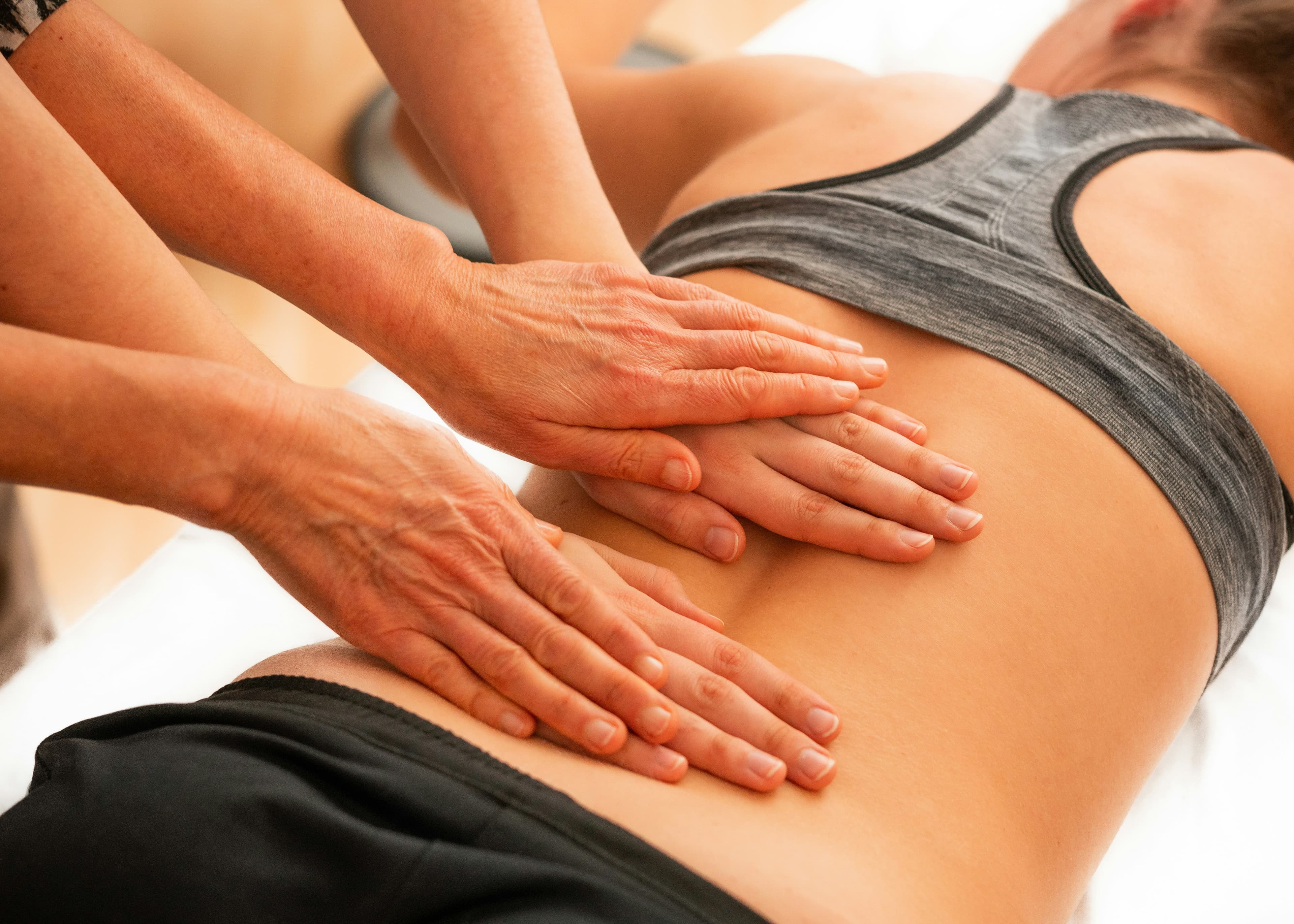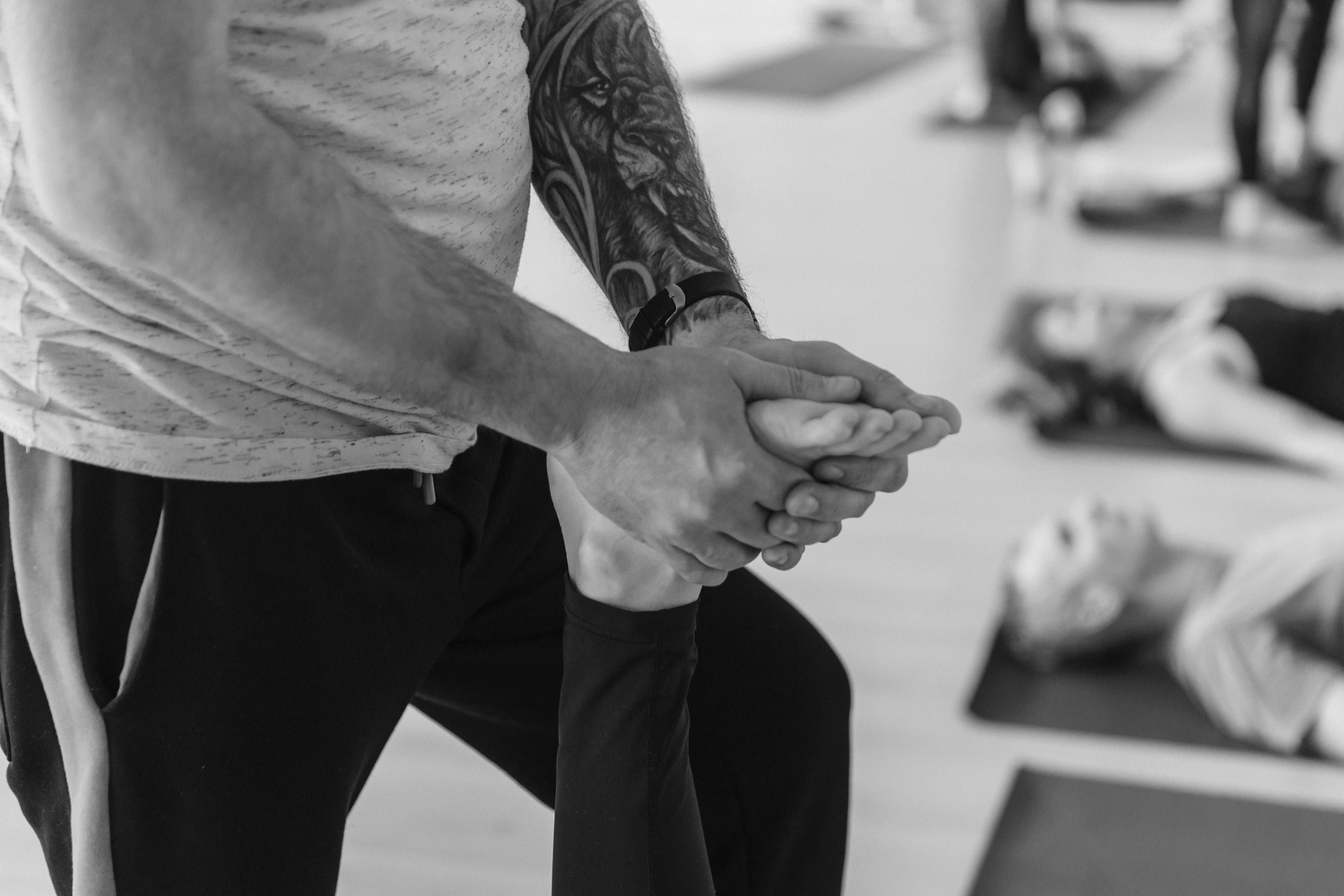

Knee injuries are among the most common conditions we treat at Reactive. Whether you are an athlete who has suffered a ligament tear or someone with chronic osteoarthritis, the knee is incredibly responsive to targeted physiotherapy.
The Anatomy of the Knee
The knee is one of the body's most complex joints. It relies on a balance of four ligaments (ACL, PCL, MCL, LCL), two menisci, the patellofemoral joint, and surrounding musculature — primarily the quadriceps and hamstrings — for stability and function.
What a Knee Therapy Session Looks Like
Your first appointment will involve a thorough assessment: range of motion testing, strength assessment, functional movement screening, and a detailed injury history.
From there, your physiotherapist will develop a phased rehabilitation plan that typically progresses through pain management, range of motion restoration, strength rebuilding, and functional or sports-specific training.
Common Mistakes in Knee Rehabilitation
Many patients make the mistake of stopping therapy as soon as pain subsides. This is a critical error — the absence of pain does not mean the knee is fully rehabilitated. Strength deficits and movement pattern issues may persist and lead to re-injury.
Recovery Timelines
Recovery timelines vary greatly. A mild MCL sprain may resolve in 4–6 weeks, while an ACL reconstruction typically requires 9–12 months for full return to sport. Your physiotherapist will set realistic milestones and adapt your programme as you progress.